
January Commerce Club Featuring Scott Sonenshein, Rice University
Leading Under Constraints: Turning Resourcefulness into Results
Dr. Scott Sonenshein, the Henry Gardiner Symonds Professor of Management-Organization Behavior at Rice University and bestselling author as guest speaker at the January Commerce Club Luncheon. Widely recognized for his decades of research on organizational change and resourcefulness, Sonenshein presented “Leading Under Constraints: Turning Resourcefulness into Results”.
Reflecting back to his early career in Silicon Valley, Sonenshein described operating under what he termed as “chasing” ideology –that more resources equal better results. “The challenge with that,” he said, “is that we expend so much time and energy trying to acquire resources that we lose touch with the resources that are already around us.”
This led him to the development and research into the concept “stretching” – that better use of resources equal better results. “We're thinking about what we have access to, and we're coming up with different ways of using it,” said Sonenshein.
The underlying theme of Sonenshein’s presentation was the power of constraints. Rather than viewing limitations as obstacles, he encouraged attendees to see them as catalysts for innovation. He shared the story behind Nike’s iconic slogan “Just Do It”, created by advertising executive Dan Wieden under tight deadlines and limited resources. “Constraints,” Sonenshein noted, “can be a license to do things differently and oftentimes, better.”
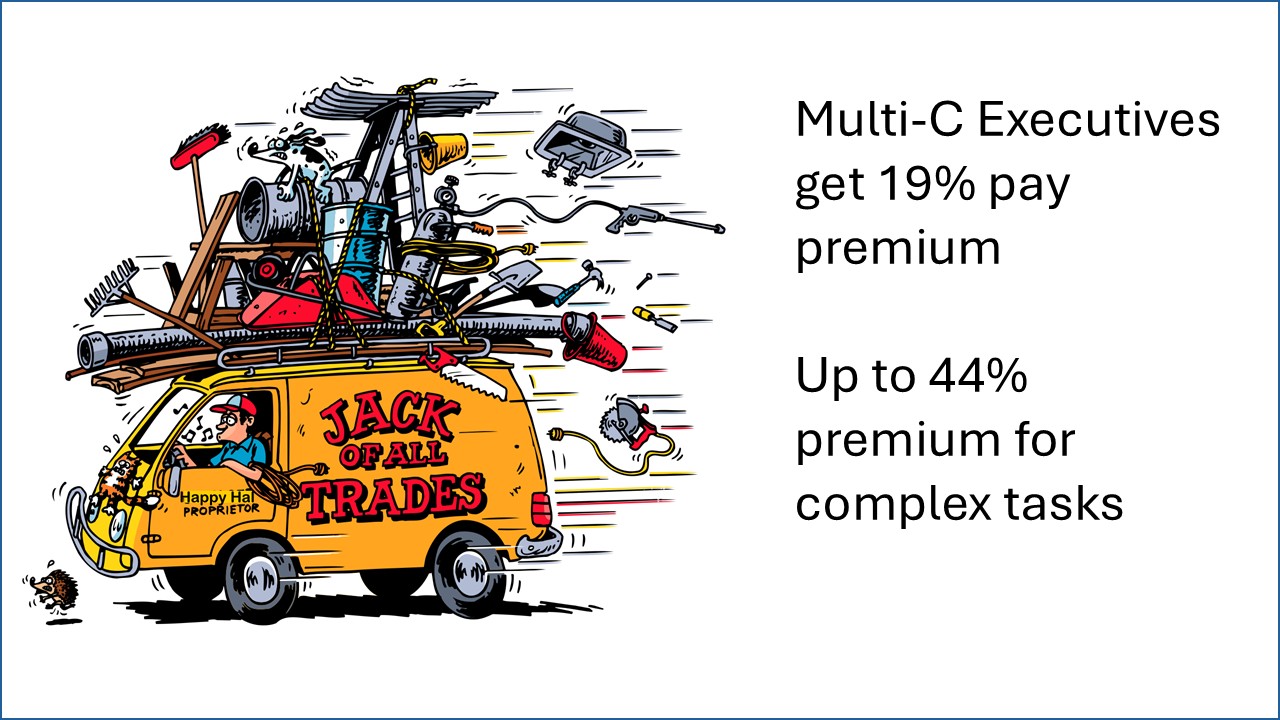
Sonenshein’s presentation also challenged the conventional reliance on expertise alone. While expertise plays an important role, his research showed that in uncertain and complex environments, outsiders often provide critical insights. He encouraged organizations to build teams that balance deep knowledge with diverse experiences, noting that leaders with broader, cross-functional backgrounds can often be better equipped to navigate disruption.
Lastly, Sonenshein stressed the value in the ability to adapt quickly and to effectively improvise in response to unexpected obstacles. Traditional, highly structured models usually work well in stable environments but can falter during disruption. However, organizations that adopt a more flexible, improvisational approach are better positioned to thrive.
Creating psychological safety and ownership are two key elements needed for a more flexible business model. Employees must feel safe to take risks, experiment, and learn from mistakes. A sense of ownership over their work and resources prompts initiative and innovation. “They can't wait for someone else. They can't wait for more resources,” Sonenshein explained. “They got to solve it, and they've got to solve it relatively quickly.”
Sonenshein is the author of “Stretch: Unlock the Power of Less – And Achieve More Than You Ever Imagined” and co-author (with Marie Kondo) of Joy at Work: Organizing Your Professional Life. His award winning research, teaching, and consulting has helped Fortune 500 executives, entrepreneurs, and professionals.
Thank You to Our Commerce Club Sponsors!
Annual Sponsors:
Buffalo Marine Service, Inc. • Callan Marine • Chevron/Kirby • Energy Transfer • Enterprise Products Partners • Kinder Morgan • Houston Pilots • Intercontinental Terminals Company • Moran Shipping Agencies, Inc. • PEMEX Deer Park • Port Houston • Targa Resources • TGS Cedar Port Industrial Park • Vopak • WGMA
January Table sponsor: