
Port Freeport at 100: A Century of Vision, Resilience, and Global Impact
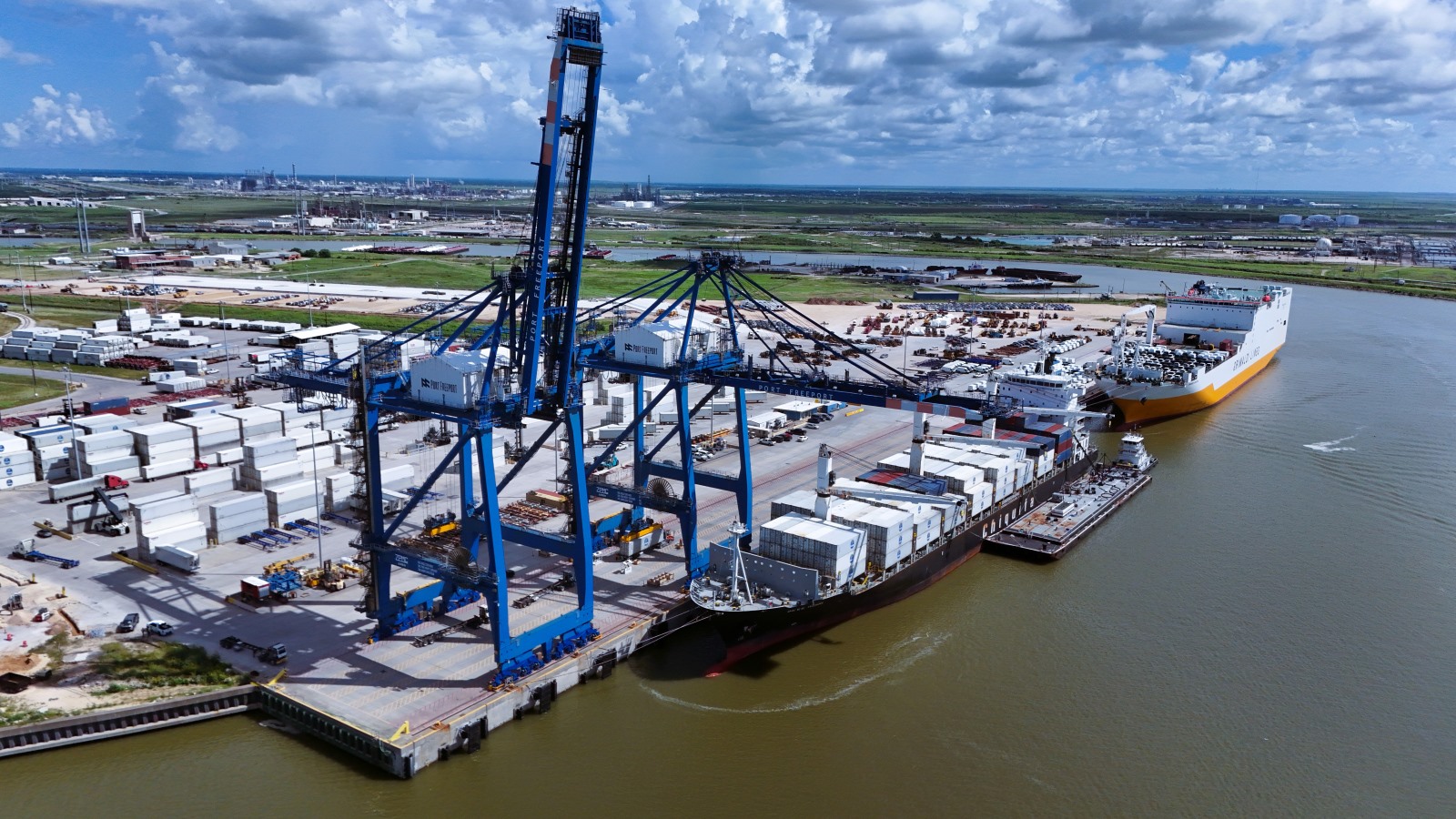
In 2025, Port Freeport proudly marked its centennial year, celebrating 100 years of maritime leadership, economic growth, and service to Texas, the nation, and global trade. What began in 1925 as the Brazos River Harbor Navigation District of Brazoria County has evolved into one of the most significant and dynamic ports in the United States.
The vision for a deep-water port along the Brazos River dates back even further. In the early 1820s, Stephen F. Austin, widely known as the “Father of Texas,” recognized the river’s strategic potential and selected the area for his colony. For decades, the region served as a vital export hub for cotton, oil, and sulfur, despite persistent challenges from flooding and severe storms. Early settlers and community leaders demonstrated resilience and ingenuity, laying the groundwork for a sustainable port that could support long-term economic vitality.
That vision became reality in the 1920s. Following recommendations from the U.S. Army Corps of Engineers to divert the Brazos River, the Brazoria County Commissioners Court petitioned for an election on September 14, 1925. Voters approved the creation of the Brazos River Harbor Navigation District and a $1 million tax-supported bond issue on December 4, 1925. Just ten days later, on December 14, 1925, the County Commissioners signed the order officially establishing the District and appointing its first commissioners, marking the formal beginning of what is now Port Freeport.
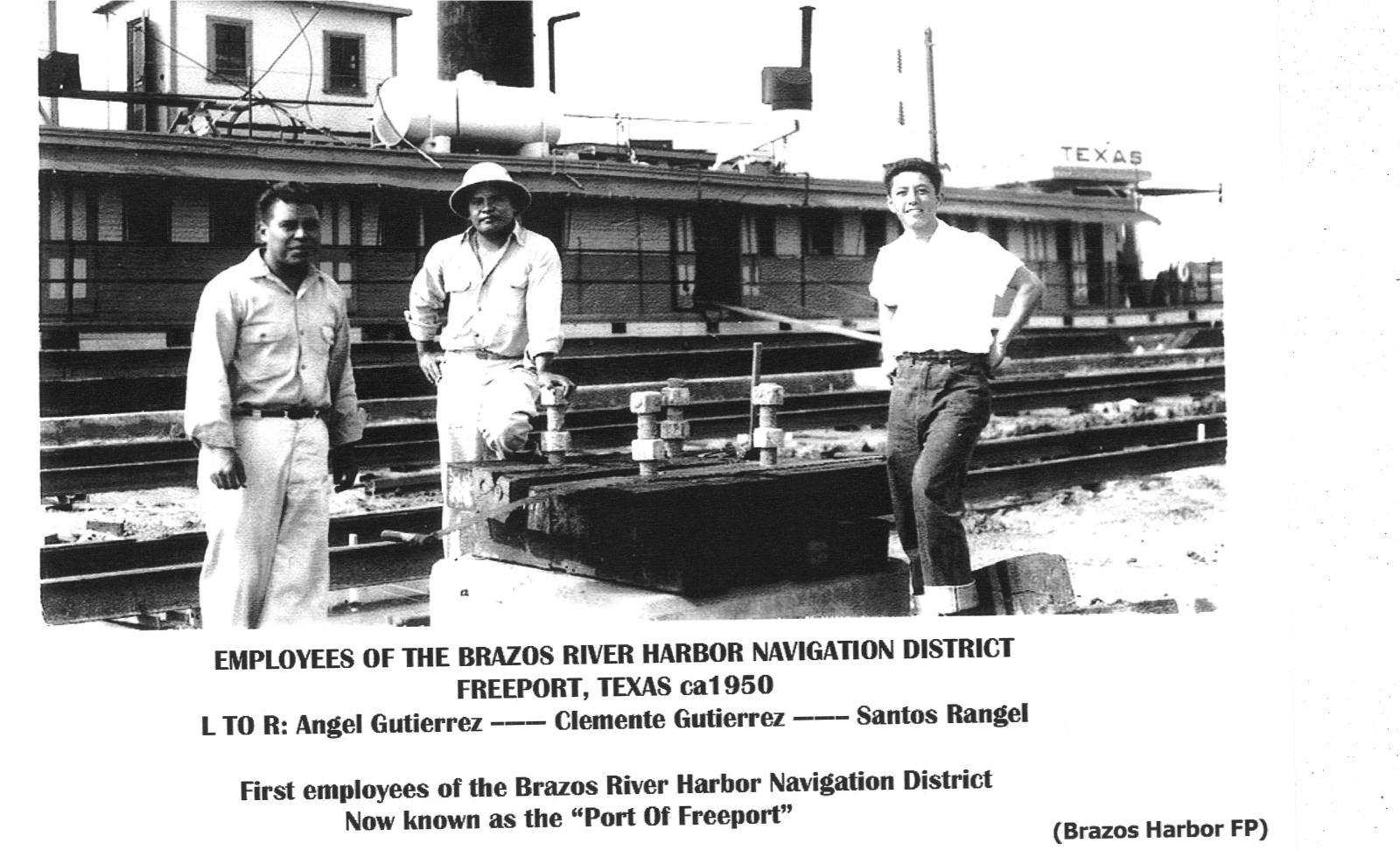
The completion of the Brazos River Diversion Channel on September 13, 1929, proved transformative. It allowed the District to dredge the old River Harbor Channel, opening the door to federal funding for dredging and maintenance and enabling the Port to become economically viable. By 1936, the first public dock facilities were completed, setting the stage for industrial expansion.
A pivotal moment came in 1940, when The Dow Chemical Company purchased 640 acres along the River Harbor Channel to construct Dow Plant A. This investment brought new prosperity to the region and helped establish one of the largest chemical complexes in the world, connected to global markets through the Port. During World War II, the Government Defense Corporation constructed an aviation gasoline refinery and marine loading facilities in the area, which were later acquired by Phillips 66, further solidifying the Port’s role in energy and industrial exports.
Over the decades, Port Freeport has attracted a diverse roster of global industry leaders, including BASF, Freeport LNG, Enterprise Products Partners, Riviana Foods, Inc., Chiquita Fresh N.A., Dole Fresh Fruit, Fresh Del Monte Produce Inc., Tenaris, AMPORTS, and Volkswagen Group of America. Together, these partners have helped shape Port Freeport into a strategic gateway for international commerce.
Today, Port Freeport ranks among the top ports in the nation, 10th in foreign waterborne export tonnage, 14th in total foreign waterborne tonnage, and 6th in chemicals, while standing as one of the largest petrochemical and energy ports in the United States. In 2007, the Brazos River Harbor Navigation District officially adopted the name Port Freeport with the passage of House Bill 542, reflecting its modern identity and expanding global role.
The Port’s growth has been driven by sustained investment in infrastructure. Over the past century, Port Freeport has developed more than 2,500 linear feet of general cargo berths and 1,725 linear feet of container berths at the Velasco Container Terminal, supported by 90 acres of container storage, more than seven miles of rail infrastructure, over 200 acres dedicated to vehicle processing, and extensive access improvements designed to ensure global competitiveness.
A defining chapter of the Port’s modern era is the Freeport Harbor 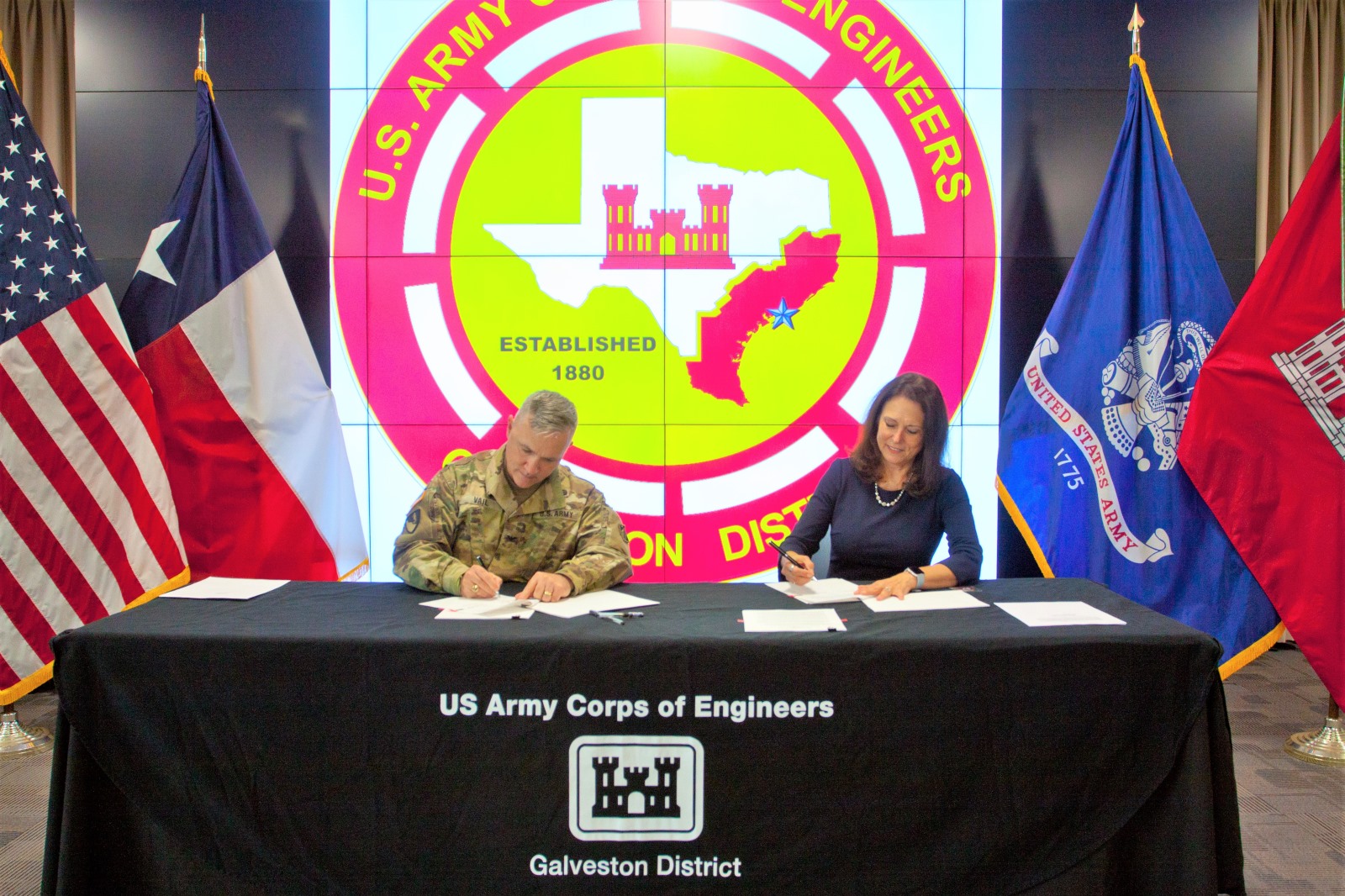 Channel ImprovementProject. Approved by voters on May 5, 2018, through a $130 million bond package to fund the non-federal share of the $295 million project, the initiative includes partial widening and deepening of the channel to depths ranging from 51 to 56 feet. In February 2020, the U.S. Army Corps of Engineers provided the required new start designation and initial federal funding, officially launching construction. Set for completion in 2026, the project will make Port Freeport the deepest port in Texas and further strengthen its position in global maritime commerce.
Port Freeport’s impact extends far beyond the waterfront. The Port generates an annual economic impact of $157.3 billion and supports more than 266,000 jobs nationwide, underscoring its vital role in creating opportunity and prosperity for communities, businesses, and families across Texas and the United States.
In another historic milestone, the Port Freeport Commission voted on September 12, 2024, to adopt a zero-tax rate. For the first time in its history, Port Freeport will operate as a fully self-reliant entity without a tax assessment, reflecting strong financial stewardship and long-term sustainability.
As it celebrates its centennial, Port Freeport stands as a testament to vision, perseverance, and partnership—from the early recognition of the Brazos River’s promise to the bold decision to divert the river, and from the construction of its first docks to the development of world-class infrastructure that serves global markets today. Honored by the Texas House of Representatives and Senate, Port Freeport enters its next century committed to innovation, environmental stewardship, community development, and continued excellence in maritime commerce.
About the Author

Phyllis Saathoff
Port Freeport